Plan with Confidence
Whether you are temple-hopping in Luang Prabang, tubing in Vang Vieng, or chasing waterfalls near Pakse, these practical insights keep you prepared, respectful, and relaxed throughout your Laos journey.
Each tip pairs quick facts with actionable advice so you can travel like a local—from weather-ready outfits to cultural etiquette, currency hacks, and contact numbers that matter.
1. Best Time to Visit Laos

- November–February: Cool, dry weather perfect for temple tours, river cruises, and trekking.
- March–April: Hotter days ideal for highland escapes or celebrating Pi Mai (Lao New Year).
- May–October: Green season brings lush landscapes, dramatic waterfalls, and fewer crowds despite afternoon showers.
2. Laos eVisa Information
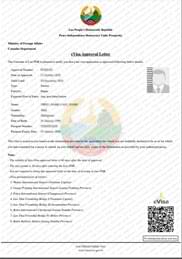
- Eligibility: Most nationalities can apply online without visiting an embassy.
- Validity: Single entry, 30-day stay, strictly for tourism; passport must be valid 6+ months.
- Entry Points: Accepted at major gateways like Wattay (VTE), Luang Prabang (LPQ), Pakse (PKZ), and Lao-Thai Friendship Bridge I.
Application Process:
- Visit the official Apply Visa page and complete the online form.
- Upload a recent passport photo and passport bio-page scan; pay securely by card or accepted methods.
- Receive your eVisa approval via email within 3–5 business days, then print a copy for arrival.
3. Health & Safety Essentials

- Vaccinations: Consult your doctor about Hepatitis A, Typhoid, and Malaria tablets for rural adventures.
- Food & Water: Stick to bottled or filtered water and busy eateries to avoid stomach upsets.
- First Aid: Pack rehydration salts, motion-sickness tablets, antiseptic wipes, and prescription meds.
Emergency Tip: Major cities like Vientiane and Luang Prabang have international clinics; keep your travel insurance details handy.
4. Currency & Payments

- Official Currency: Lao Kip (LAK) is used nationwide, though USD and Thai Baht are common in tourist hubs.
- Cash is king: Carry small notes for tuk-tuks, markets, and rural guesthouses.
- ATMs & Cards: ATMs are plentiful in cities; major hotels accept cards, but smaller vendors prefer cash.
Keep extra Kip for remote provinces, and exchange leftover currency at banks or authorized booths before departure.
5. Cultural Practices & Etiquette

- Dress Modestly: Cover shoulders and knees when entering temples or rural villages.
- Greetings: Use the respectful “nop” (palms together) and a gentle bow to greet elders.
- Respect Religion: Remove shoes in sacred spaces, never touch Buddha images, and avoid climbing on ruins.
Keep voices low, avoid public displays of affection, and use your right hand when giving or receiving items.
6. Transportation Tips

- City Moves: Tuk-tuks and local apps like LOCA or Grab (in bigger towns) are affordable for short hops.
- Long Distances: VIP buses, minivans, and private cars connect major cities; book ahead in peak season.
- Scenic Options: Slow boats, cycling tours, and domestic flights link highlights such as Luang Prabang, Vientiane, Pakse, and Savannakhet.
7. Language & Communication
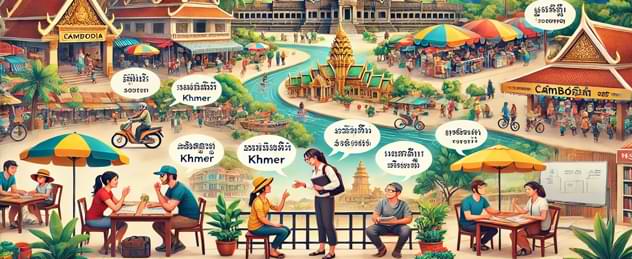
- Official Language: Lao is widely spoken; English is common in tourist zones, while French and Thai may be understood.
- Key Phrases: Learn basics like “Sabaidee” (hello), “Khop chai” (thank you), and “Tao dai?” (how much?).
- Connectivity: Purchase a local SIM (Unitel, Lao Telecom, Beeline) for reliable data and translation apps.
8. Must-Visit Attractions

- Luang Prabang: UNESCO-listed temples, Kuang Si Falls, night markets, and the Pak Ou Caves.
- Vientiane & Beyond: Patuxai, Pha That Luang, Buddha Park, plus day trips to Nam Ngum Lake.
- Southern & Northern Gems: Explore Bolaven Plateau coffee trails, Si Phan Don (4,000 Islands), Plain of Jars, and Nam Et-Phou Louey.
9. Local Food & Cuisine

Signature Dishes:
- Laap: Fragrant minced meat salad with herbs, lime, and toasted rice powder.
- Khao Soi & Khao Poon: Noodle soups with coconut curry broth and aromatic spices.
- Sticky Rice & Tam Mak Hoong: Glutinous rice served with spicy papaya salad or grilled meats.
Sample street snacks like coconut pancakes, bamboo-tube sticky rice, or locally grown coffee. Choose busy stalls for freshness and sanitize hands before eating.
10. Emergency Contact Numbers
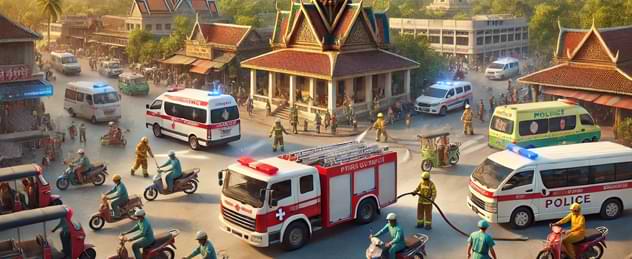
- Police: Dial 191 for immediate assistance.
- Ambulance / Medical Emergency: Dial 195 (Vientiane) or contact local hospitals/clinics.
- Tourist Police Hotline: +856 21 251 128 (Vientiane) for visitor support.
Save your embassy’s contact details and keep copies of your passport and eVisa in both digital and printed formats.
